Use this page to translate a welding job into equipment requirements. The layout follows a story structure, but the content is focused on applications: what the operator sees, what the buyer must approve and what the machine package must support once it reaches the shop floor.
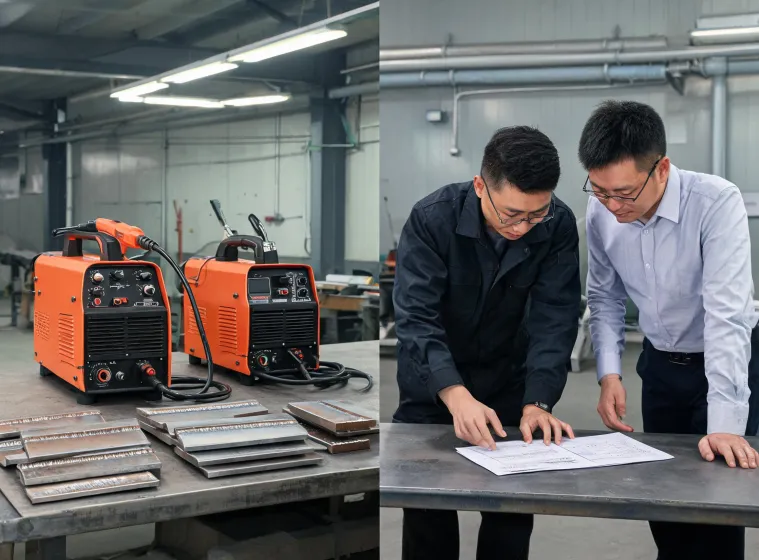
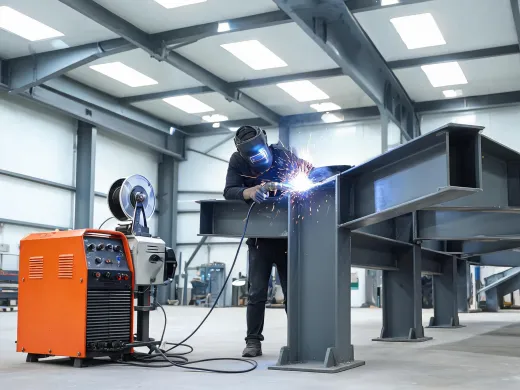
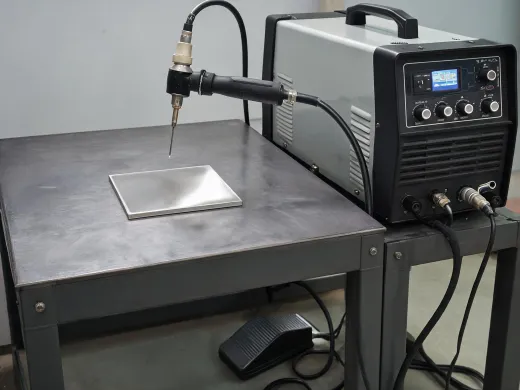
In many equipment discussions, the first question is the model name. In a production environment, the better first question is what the arc must do every shift. Does the cell need high deposition MIG on mild steel frames, low heat TIG on visible stainless parts, Stick capability for field repair, or a mixed machine fleet that can serve maintenance and production without constant reconfiguration?
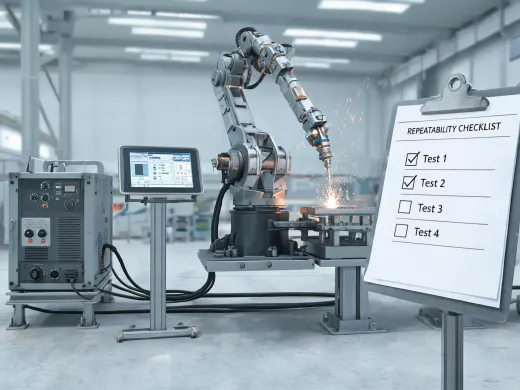
Kemppi application planning keeps that behavior visible. A buyer can describe the material, thickness range, joint access, required bead appearance, operator rotation and service location. Engineering can add control needs such as heat input, arc starts, procedure repeatability and documentation. Production can add the realities of cable reach, fixture clearance, shielding gas use and shift handover. When those notes are combined, the resulting product request becomes more precise than a general inquiry.
The application lens keeps the discussion specific. A training cell, pipe station, structural fabrication line and automated fixture may all use welding machines, but each one asks for a different balance of control, portability, accessories and documentation.
Send the material, process preference, duty cycle and service location. The application notes can be routed toward a clearer machine shortlist.