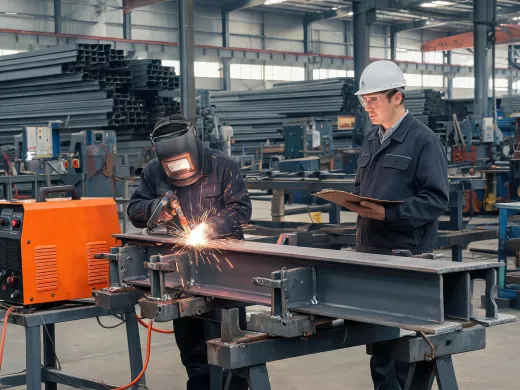
Fabrication Shops
Stable wire feed, strong duty cycle and simple setup recovery for plate, tube and frame assemblies.
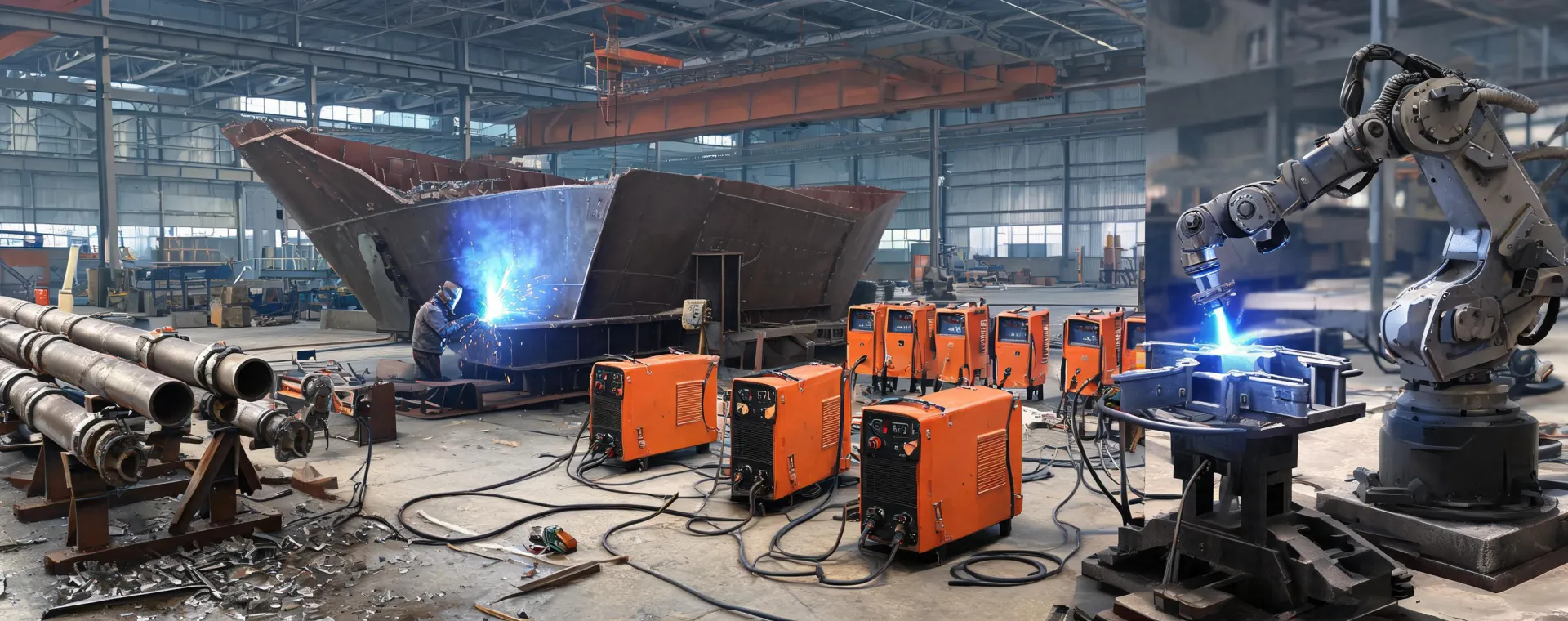
Welding requirements change sharply by industry. A fabrication shop may need fast MIG setup and repeatable bead profile; a shipyard may need rugged cable reach and long weld support; a pipeline team may care about field repair confidence; an automation cell may prioritize traceability and takt time. Kemppi application planning keeps those conditions visible while product categories are reviewed.
The following sectors are not decorative labels. They represent different constraints on amperage range, duty cycle, torch access, operator rotation, quality checks and service response. Treating those constraints early helps buyers avoid selecting a machine that looks correct in a catalog but struggles in the production rhythm.
Stable wire feed, strong duty cycle and simple setup recovery for plate, tube and frame assemblies.
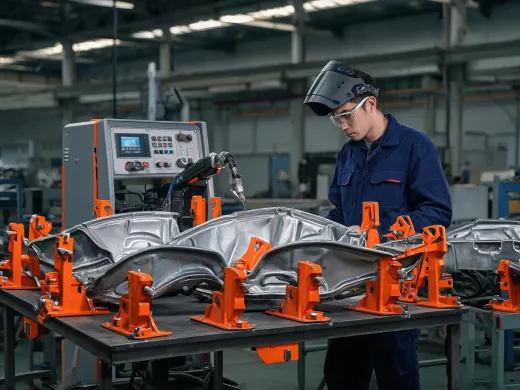
Parameter repeatability and fixture-friendly cable routing for recurring assemblies and shift changes.
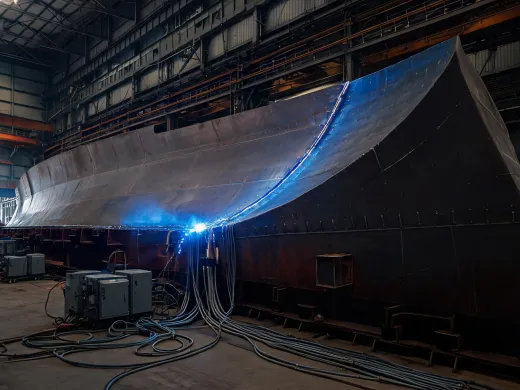
Rugged equipment planning for long welds, thick materials and large work zones.
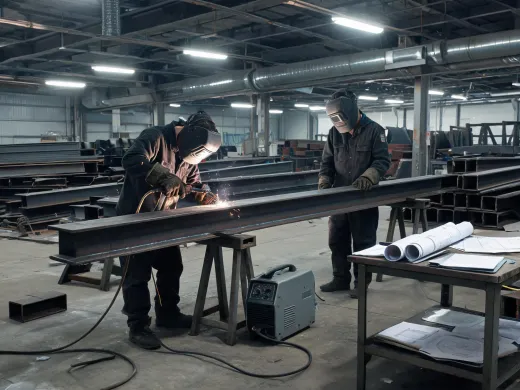
Portable and workshop-ready equipment choices for structural parts, repair and field-adjacent work.
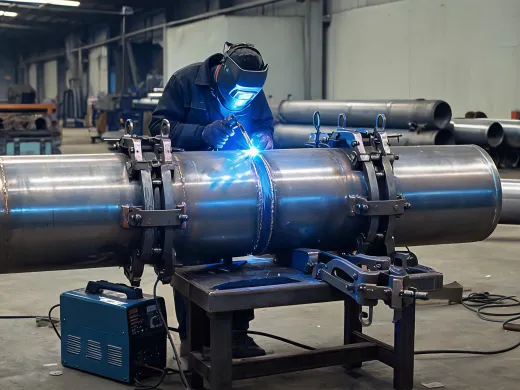
Process control for pipe joints, repair cycles and documentation-heavy quality environments.
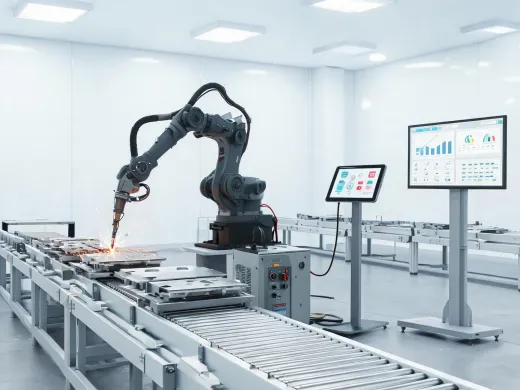
Machine packages aligned with uptime, communication needs and repeatable production takt.
No single arc process wins every job. The table below lays out where each one tends to fit and where it costs the team something, so a sector can be matched to a process honestly rather than by habit.
| Process | Tends to fit | Trade-off to weigh |
|---|---|---|
| MIG / wire feed | High deposition on steel frames, plate and repeat assemblies where travel speed and operator ease matter for throughput. | Needs shielding gas and reasonable wind protection; less forgiving outdoors and on heavily contaminated or rusty material. |
| TIG | Visible, low-heat work on thin stainless and aluminium where bead appearance and precise heat input are the priority. | Slower deposition and higher operator skill demand; not the economical choice for long, heavy production runs. |
| MMA / stick | Field repair, structural work and dirty or outdoor conditions where simple, rugged equipment and electrode flexibility win. | Lower duty rhythm, more post-weld cleanup (slag) and more stop-start handling than continuous wire processes. |
A sector rarely uses one process exclusively. The aim of an application review is to confirm the primary process, name the secondary ones, and size the machine and duty cycle around the real mix rather than a single best case.
Industry context changes the right package. Share the sector, material range and production pressure so the product request can reflect real operating conditions.